- Get link
- X
- Other Apps
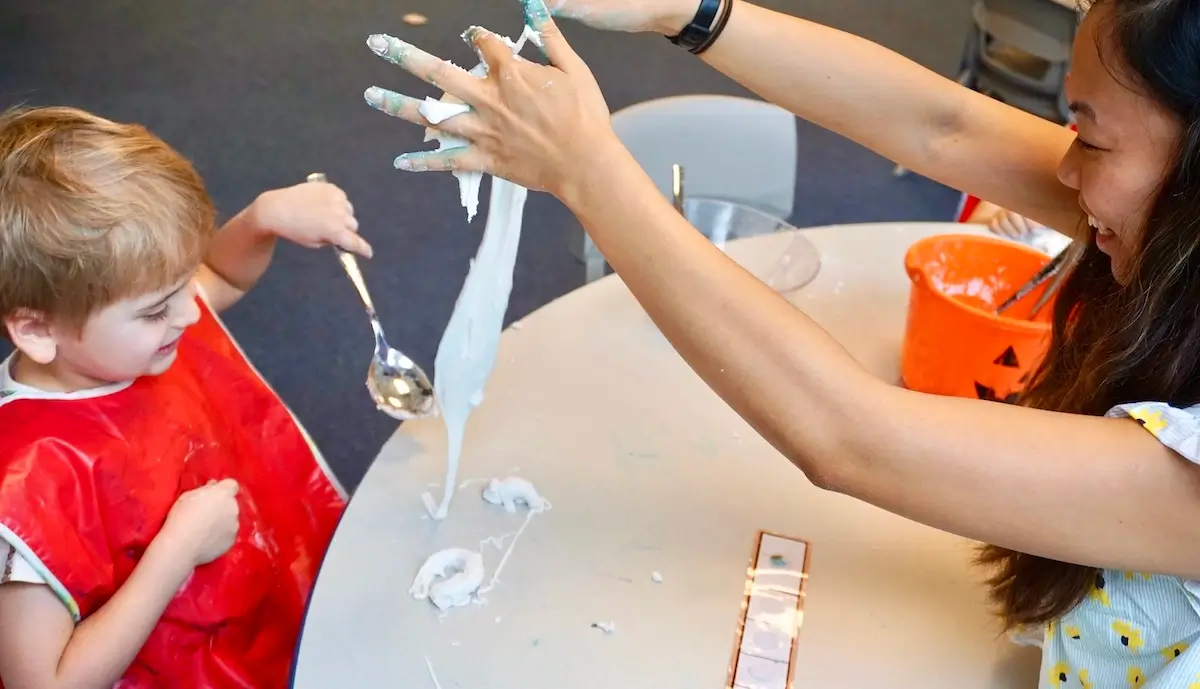
Every child with Special educational needs brings a unique combination of strengths, challenges, personality, and learning style. Even when two children share the same diagnosis, their behaviors, abilities, and support requirements can differ dramatically. Recognizing this individuality is essential for educators, parents, and caregivers who aim to create meaningful and effective learning experiences.
Understanding the Diversity Within Diagnoses
A diagnosis such as autism, ADHD, dyslexia, or speech and language difficulties can provide a helpful framework, but it does not define a child entirely. For instance, one child with autism may be highly verbal and academically advanced, while another may struggle with communication and sensory processing. Similarly, children with ADHD can display varying levels of attention, impulsivity, and hyperactivity.
This diversity highlights the importance of avoiding assumptions. Labels can guide support strategies, but they should never limit expectations or overlook a child’s potential. Each child’s profile must be understood through observation, assessment, and ongoing interaction.
The Importance of Personalized Learning Approaches
Because no two children are the same, a one-size-fits-all approach simply does not work in special education. Personalized learning plans are essential to address individual needs effectively. These plans consider factors such as learning pace, preferred learning style, emotional needs, and communication abilities.
For some children, visual aids and structured routines may enhance understanding. Others may benefit from hands-on activities, assistive technology, or flexible seating arrangements. Tailoring the learning environment ensures that children feel supported, engaged, and capable of achieving their goals.
Building on Strengths, Not Just Challenges
While much focus is often placed on areas of difficulty, it is equally important to recognize and nurture each child’s strengths. A child who struggles with reading may excel in art or problem-solving. Another may have strong memory skills or a deep interest in specific subjects.
Focusing on strengths builds confidence and motivation. It also provides opportunities for children to experience success, which is crucial for their emotional well-being. When strengths are integrated into learning activities, children are more likely to stay engaged and develop a positive attitude toward education.
The Role of Collaboration and Communication
Supporting children with special educational needs requires collaboration between teachers, parents, therapists, and other professionals. Open communication ensures that everyone involved understands the child’s needs, progress, and challenges.
Parents provide valuable insights into their child’s behavior and preferences at home, while educators observe how the child interacts in a structured learning environment. Therapists contribute specialized knowledge and strategies. When these perspectives come together, they create a comprehensive support system that benefits the child.
Regular reviews and updates to support plans are also essential. As children grow and develop, their needs may change, and strategies must be adjusted accordingly.
Creating Inclusive and Supportive Environments
An inclusive environment is one where all children feel valued, respected, and supported. This goes beyond physical accessibility; it involves fostering a culture of understanding and acceptance.
Teachers can promote inclusion by encouraging peer support, celebrating differences, and using teaching methods that accommodate diverse learners. Simple adjustments, such as clear instructions, visual schedules, and sensory-friendly spaces, can make a significant difference.
Inclusion also helps children without special educational needs develop empathy, patience, and social awareness. It creates a community where diversity is seen as a strength rather than a challenge.
Conclusion
Every child with special educational needs is unique, and understanding this individuality is the foundation of effective support. Diagnoses may offer guidance, but they do not define a child’s abilities or potential. By embracing personalized approaches, focusing on strengths, and fostering collaboration, we can create environments where every child has the opportunity to thrive. Recognizing and respecting these differences is not just beneficial—it is essential for building a more inclusive and supportive future for all learners.
Comments
Post a Comment